Posts Tagged ‘community building’

How to Implement Inclusive Thinking to Ease Fear in Medical Environments

Fear in medical settings often arises from uncertainty, vulnerability, and a lack of understanding. Inclusive thinking, which values empathy, diversity, and patient-centered communication, can turn these intimidating environments into spaces of trust and reassurance. 

When healthcare professionals respect each patient’s unique background, beliefs, and needs, anxiety naturally decreases. This approach fosters stronger, more authentic patient relationships built on understanding and compassion. From clear communication to culturally sensitive care, inclusion becomes more than an ethical responsibility; it becomes a powerful therapeutic tool. 

In this article, we’ll show how inclusive practices across healthcare operations reduce fear, build trust, and elevate the overall standard of care.

Understand the Role of Inclusion in Healthcare

Inclusion in healthcare means more than equality. It’s about ensuring every patient feels respected and understood. It promotes open communication, reduces bias, and personalizes care to cultural and emotional needs. When patients feel acknowledged, trust deepens, leading to better cooperation, improved satisfaction, and stronger overall health outcomes.

A National Institutes of Health study reveals stark disparities in emergency departments. Black patients face longer treatment wait times and lower triage acuity than White patients. Crucially, they also show a 10% lower likelihood of admission. These systematic inequalities underscore how a lack of inclusion directly fuels fear and risks poor outcomes. 

Build Trust Through Compassionate Communication

According to Healthcare IT News, patient trust in healthcare providers stands at 79%, about 5% higher than the global average. However, satisfaction rates are 3% lower at 74%, and only 70% of patients would recommend their providers. These gaps highlight the urgent need for compassionate, trust-building communication. 

When healthcare professionals listen attentively, speak with empathy, and clearly explain procedures, patients feel safer and more at ease. Small gestures like eye contact and acknowledging emotions create reassurance. Allowing space for questions builds openness, while trust rooted in empathy strengthens cooperation and greatly improves treatment effectiveness.

Empower Patients with Knowledge and Transparency

Empowering patients begins with honesty and clarity. Inclusive care means fostering open discussions about treatment risks, potential side effects, and realistic recovery expectations. When patients fully understand their options, they make informed decisions and feel more in control of their health journey. 

A stark example of how a lack of transparency can lead to fear, injury, and legal action is seen in the port catheter lawsuit. The port catheter, designed to deliver long-term medication into the bloodstream, aimed to simplify treatment. However, complications like infections, fractures, and blood clots emerged, often without clear patient communication.

This lack of disclosure led to serious injuries and subsequent legal action. The case underscores how informed consent and patient education are vital components of truly inclusive, ethical healthcare. Clear, compassionate communication empowers patients to make informed choices.

TorHoerman Law notes that over 1,900 Bard PowerPort lawsuits are currently pending in federal court. These cases are part of MDL No. 3081. All are consolidated before the District of Arizona.

Design Spaces That Promote Emotional Safety

Physical environments in healthcare strongly influence emotional well-being. Inclusive design aims to create safe, welcoming, and calming spaces for patients of all ages and abilities. Elements like natural lighting, accessible layouts, privacy, and soothing colors help reduce anxiety while promoting comfort and trust in care settings.

The American Society for Horticultural Science notes that hospitalization significantly intensifies depression and anxiety. Integrating natural elements, such as indoor plants, offers a promising approach to counter this. These elements alleviate stress, thus promoting patients’ emotional well-being and potentially enhancing recovery outcomes. This environmental consideration is a key aspect of inclusive design. 

Train Medical Teams to Recognize and Address Bias

A crucial part of inclusive thinking is helping medical teams recognize and address unconscious bias. Fear in healthcare often stems from subtle microaggressions or negative assumptions. Without proper training, providers can unintentionally reinforce stereotypes or miss symptoms, which reduces trust and increases patient anxiety.

Effective training goes beyond awareness. It emphasizes actionable strategies, i.e., use correct pronouns, respect cultural practices, and apply bias testing tools. Making bias recognition a core skill promotes cultural humility and ongoing learning. This commitment fosters a safe, respectful environment where patients feel valued and free from discriminatory fear.

Create a Culture of Ongoing Inclusion and Feedback

Creating an inclusive healthcare environment requires ongoing reflection and feedback. Encouraging patients and staff to share experiences reveals gaps in communication and support. Tools like surveys and diversity forums help refine inclusive practices. When organizations value continuous input, they build transparency, mutual respect, and a lasting sense of belonging.

According to the American Hospital Association, patients who believe their care was safe are 2.5 to 3 times more likely to recommend the hospital. These perceptions stem from personal interactions with staff. When patients feel respected and included, their trust deepens. Continuous feedback helps sustain this culture of safety and belonging. 

Frequently Asked Questions

How can hospitals measure whether their care is truly inclusive?

Hospitals can measure inclusive care through patient satisfaction, trust, and comfort across diverse groups. Reviewing feedback and audits helps uncover gaps in equity. Metrics like communication clarity, cultural sensitivity, and fairness ensure every patient feels respected, understood, and emotionally safe.

What steps can patients take if they feel excluded or unheard during treatment?

Patients who feel excluded should share their concerns with their provider or a patient advocate. They may seek clearer explanations, a second opinion, or file a formal complaint. Open communication builds accountability and strengthens inclusivity in future healthcare experiences.

Can inclusive care reduce the likelihood of medical errors or misunderstandings?

Yes, inclusive care significantly reduces medical errors and misunderstandings. When providers actively listen and respect cultural differences, patients share more accurate information, enhancing diagnosis and treatment adherence. This mutual understanding builds a safer healthcare experience rooted in trust and collaboration.

Building Trust Through Inclusion

Inclusive thinking reshapes healthcare into an environment of compassion, safety, and understanding. When patients feel respected, informed, and genuinely heard, their anxiety lessens, and trust in care strengthens. Empathy and transparency build confidence, while equitable communication nurtures stronger relationships. 

Ultimately, inclusion transforms fear into reassurance, which proves that true healing always begins with understanding and respect.

Read More

WEBINARS – January 2021 – Parents and Carers in Lockdown

 WEBINAR WORKSHOPS – Timing: Each session runs from 11am-12pm

Cost: Pay what you can afford

New Covid-19 inspired series delivered by psychologists Colin and Elliot Newton, plus Derek Wilson using the Zoom platform. We want to directly support and inform parents and carers and so indirectly benefit the children and young people with the greatest needs. Parenting is hard enough but supporting learning, hope and self image in these times has never been harder! Please share with anyone who might benefit… 

The webinars are focused on trying to parent, encourage, support and include children and young people at this difficult time. Engage and learn in the comfort of your own setting as we explore a range of challenges. The content of the sessions will aim to allow safe sharing of experiences, provide fresh insights as well as practical strategies. The sessions will be very easy to understand and will share wisdom of those present as well as provide some guiding ideas. 

Unable to make the time and date? You can access a replay if you enrol below – we will send a link by email.

Dates are as follows…

Read More

WEBINARS for November – Staying Strong in the time of Covid


 WEBINAR WORKSHOPS – Timing: Each session runs from 11am-1pm

Cost: Pay what you can afford

(£10 covers our admin costs)

New Covid-19 inspired series delivered by Colin and Elliot Newton, using the Zoom platform. What are you going through right now? What do you need to stay strong? We want to directly support and inform the adults and so indirectly benefit the children and young people with the greatest needs. Please share with anyone who might benefit… psychologists, trainees, teachers, SENCOs, Social workers, TAs, parents and carers and so on…

The webinars are focused on meeting the needs of the professionals and parents trying to support and include children and young people at this difficult time. Engage and learn in the comfort of your own setting as we explore a range of challenges. The content of the sessions will aim to allow safe sharing of experiences, provide fresh insights as well as practical strategies.  

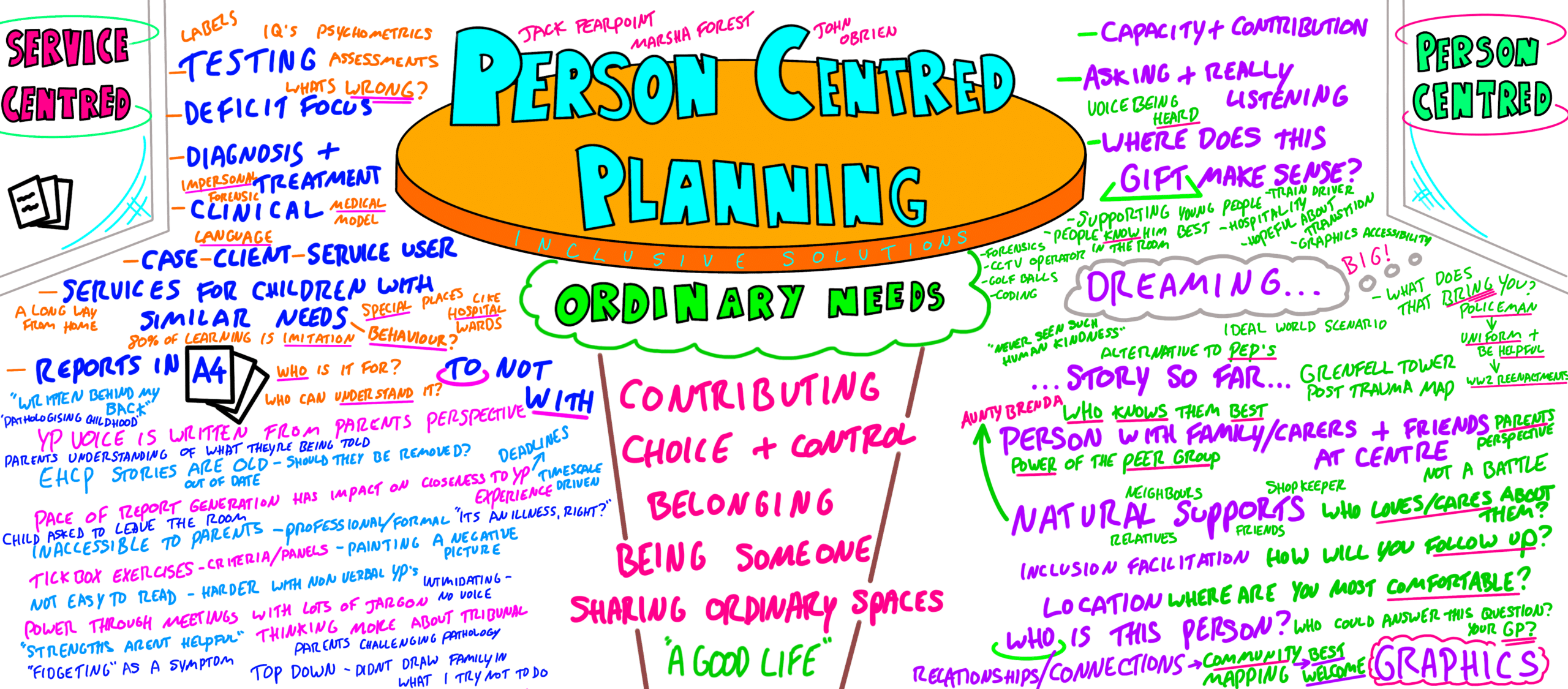
The content will be based on this training course which is also available to you and your team on request

Dates are as follows…

Read More

WEBINARS  – September 2020 – Problem Solving series

 WEBINAR WORKSHOPS – Timing: Each session runs from 11am-1pm

FREE/VOLUNTARY CONTRIBUTIONS!

Problem Solving series delivered by Colin and Elliot Newton, using the Zoom platform. Engage and learn in the comfort of your own setting as we explore a range of challenges. The content of the sessions will aim to provide fresh insights as well as practical strategies.  

Dates are as follows…

Read More

New course available – Acknowledging your Racism

For more details, click HERE

In this course we deepen participants understanding of systemic racism and the spectrum of privilege. It challenges the participants to examine their behaviours and take close looks at some of the views they have held since a very young age, e.g. this area is a “bad” area, because it has a high proportion of black/brown people living in it, or that young black men in tracksuits are “thugs”. We think about where these messages come from and how people are indoctrinated by the media.

Read More

Best Tips for Aging Parent Care

Aging is a natural part of life. There is nothing we, as humans, can do to avoid getting older. There are certain products and services that claim they can delay this inevitable process; however, most of them are not reliable and do not truly keep you from aging. 

Just because it’s unavoidable, it does not mean that it has to be dreaded. In fact, many elderly people claim that these latter years of their lives are some of the best times of their lives since they finally get to experience everything that they did not have time for when they were younger and preoccupied with work and raising children. 

Read More

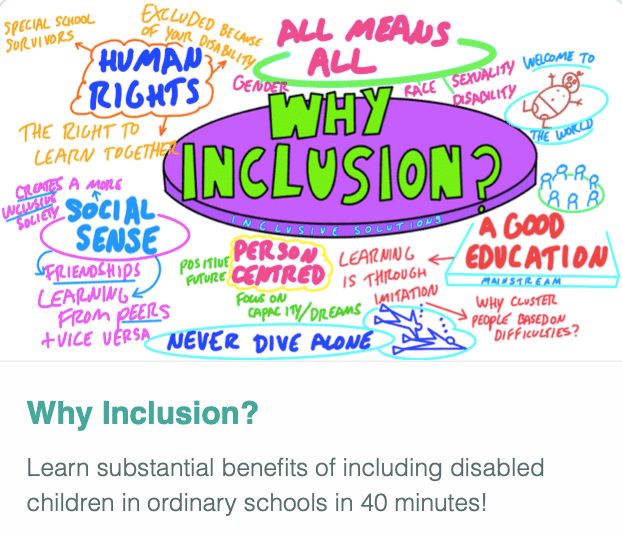
Why Inclusion?

Why Inclusion? We’ll tell you in our new online course, explaining the importance of inclusion and why we believe in it, available on Teachable for a small price

Read More

Contact Us

Colin Newton

0115 955 6045

Suzanne Hawkes

suzhawkeswork@gmail.com

(Messages | Accounts | Queries)